
 | 
| ||||||||||||||
| Understanding Diversity | |||||||||||||||

According to the Oxford Pocket Dictionary of Current English here is the definition of respect:
A very important thing to notice is that respect is both a noun AND a verb, which tells us that respect is not just something you have but rather something that needs to be exercised. There are many ways to show others respect, and it is imperative that parents and caregivers teach their children not only what respect is but how to show it towards others and have it for oneself. 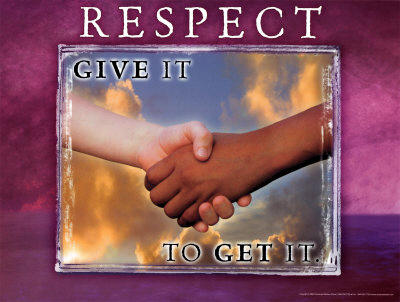 Respecting OthersTeaching your children to respect others is one of the most valuable things you can teach them in order to enable them to be a successful contributor to society. Understanding that diversity and differences among friends, classmates, and teammates are things that should be celebrated and respected will allow your children to make meaningful connections with those around them as well as be respected in return. As the saying goes, respect is a two-way street and you've got to give it to get it.  How To Raise Respectful KidsRespect means honoring other people and treating them with care and courtesy. While respect includes good manners, the core of the behavior goes deeper than politeness. It stems from the belief that other people have as much worth and dignity as you, and that harming others or their property is inherently wrong. Kids usually learn to be respectful of rules at home and at school, to not make fun of friends, and to use polite speech. Respectful behavior seems to have fallen out of favor in public discourse and mass media, and kids pick that up. But they need to learn that even strong feelings can be expressed in a respectful way. Be SupportiveEven young children deserve respect. Show your kids that you care about their feelings--by sympathizing with their needs, comforting their fears, and explaining what you're doing when it concerns them. Respecting your child means not putting him or her down or making negative statements that could become self-fulfilling prophecies. Children who grow up in supportive families are more likely to develop healthy self-respect--which encourages them to believe in their abilities and make good choices for themselves.  Respect is a Two-Way Street
Set Rules and BoundariesRules are essential reminders for kids to curb their impulses. Family rules could include no name-calling or bad language, listening to what others have to say, not using a sibling's belongings without asking, and finding a respectful way to tell someone they're annoying you. Set reasonable boundaries, and let children know what is expected of them. Be sure to give consistent consequences when rules are broken--or they won't be meaningful. Similarly, compliment your child when she or he follows a rule that you've set.  Practice Good MannersCourtesy is the oil that makes everything run more smoothly. Remember the "magic words" please and thank you? You might want to also teach your child "may I," "excuse me," and "I'm sorry." These phrases are outward expressions of kindness that help kids function in the world and build relationships. Good table manners are also a form of respect for others who are sharing your meal. Make practicing table manners at home a fun experience rather than an angry or tense one. Be a Role Model for RespectParents are the key role models for most of their children's behaviors, including respect. Kids learn much more from their parents' example than from anything else. How moms and dads treat each other helps define how our kids will behave with members of the opposite sex. Adults can also be negative role models, if they speak rudely to a waiter, curse at slow drivers, or treat their own parents disrespectfully. Think about what your kids are learning by watching you.  Teach Kids How to Disagree RespectfullyOne of the greatest challenges most of us face is how to deal respectfully with people with whom we disagree. This is something even adults have a hard time with. Some basic rules that you could teach your children (and put into practice in your own dealings): Don't judge people before you get to know them. Treat other people the way you want to be treated. Listen attentively before you jump in with your argument. And if you're treated disrespectfully, tell the person, "I don't like being talked to that way. Please use a polite tone of voice (or please wait for me to finish speaking) so we can have a discussion." Encourage Respect for NatureHelp kids respect the natural world by teaching them how to treat wild creatures, plants, and pets. If your child wants to pet a dog or cat, teach him or her to ask the owner whether it's OK first. Make sure kids take care of their pets, remembering to give them enough food, water, and attention. When you're out in nature, explain the concept of "leave no trace"--taking home any items they've brought in and leaving flowers and plants for others to enjoy.  Teach Respect for SurroundingsWhen kids toss their ice cream cups on the street or cover neighbors' houses with toilet paper on Halloween, they haven't learned the connection between respecting people and respecting their property. Start by teaching kids to be careful with their own and family members' belongings. Then extend that by getting involved with kids in neighborhood cleanups, flower-planting, and recycling. If they accidentally harm another's property, have them write a note and offer to help fix the problem.  As some of Stanford's athletes talked about in the video, respect plays a large role in sports as well. When children are playing sports it is important that they have respect for their coaches, their teammates, their bodies, and even their opponents. Having good sportsmanship is something that may not come naturally to many children but is something that they must learn in order to be successful in their athletic endeavors. Here are 10 ways to be a good sport Understanding diversity and tolerance are two key components that go hand in hand with learning how to respect others. It is important that children learn that although everyone is different - we all look different, like different things, come from different places, and hold different beliefs - we are all human and both want and deserve to be respected. Here's a simple and fun activity that demonstrates diversity in a way that elementary school children can easily understand.  Another important component of respect is self-respect. It is hard to show others respect and get respect in return if you do not have respect for yourself. Building a child's self-esteem when they are young is essential to them having a strong sense of who they are as a person and to having respect for themselves. Here is some more information about helping your children develop positive self-esteem With all of the bullying that goes on in schools and in other areas of your children's lives learning about respect, tolerance, diversity, and self-respect has become more important than ever. Bullying comes in many forms: from physically harming someone, to purposely excluding someone from an activity, to calling somebody a mean name in a text or online. It is important that parents and caregivers are aware of the challenges children may be facing on a daily basis so, let's get informed about bullying As parents and caregivers, you are the people that your children will look to for guidance when they are in difficult situations. It is essential that you have a plan about talking to them about bullying. Once you have informed yourself about bullying and how it can be prevented and handled it is important that you talk to your child. Creating an open line of communication with them will ensure that if they are ever having a problem they will feel comfortable coming to you with the issue. After you talk to them about bullying have them sign the "Bullying Pledge" and put it on your refrigerator or hang it in their bedroom as a constant reminder that they will not take part in bullying and that when they see it happening they will take a stand against it.   |